
Wood vs. Metal Solar Screens: Why Architects in Hot Climates Choose ThermoWood®


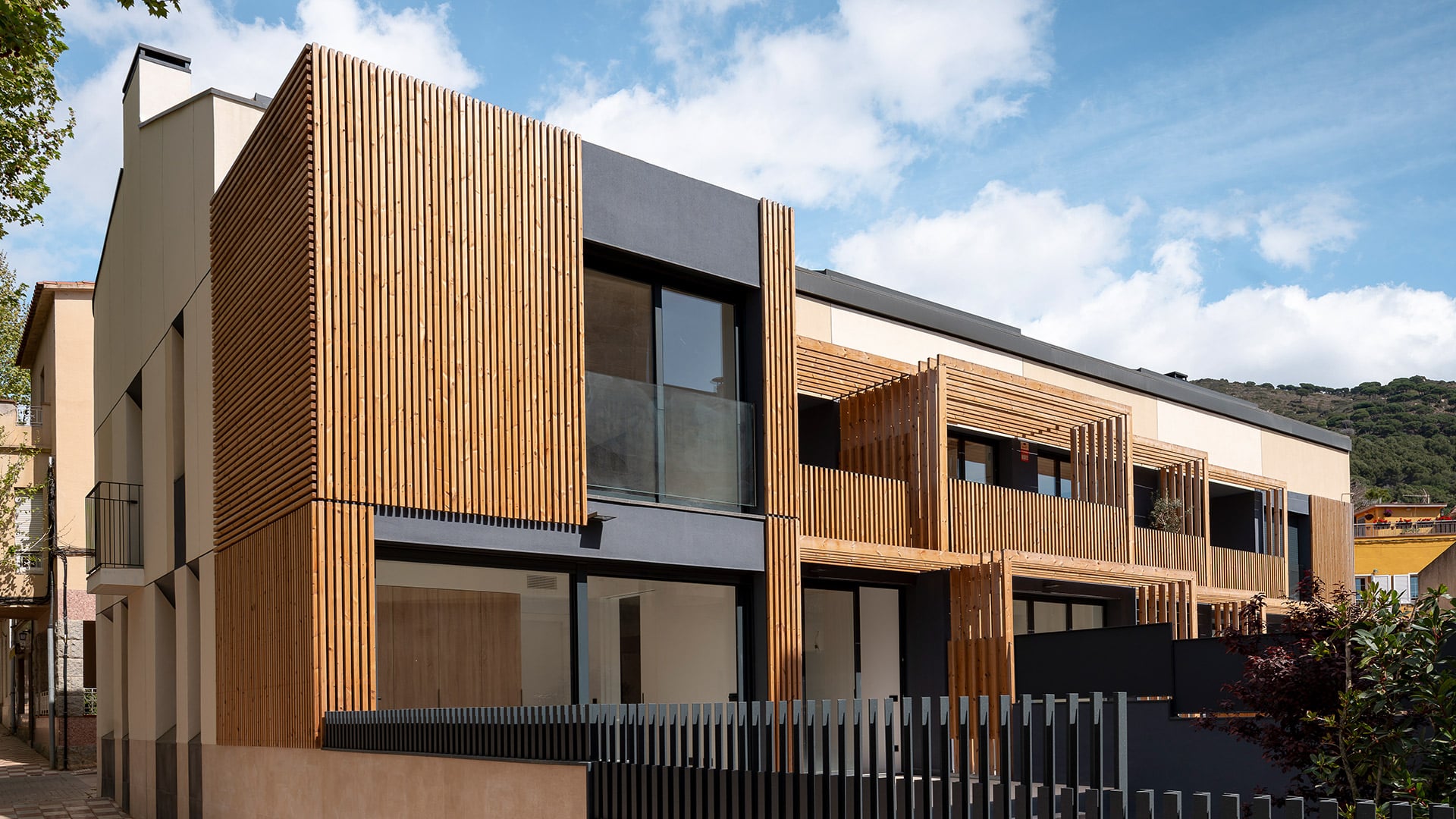
In hot and sunny regions, controlling solar heat gain is one of the key challenges in building design. Large glazed surfaces improve daylight and views, but they can also increase indoor temperatures and cooling demand.
As cities around the world continue to grow and temperatures rise, architects are increasingly turning to solar screens to improve comfort, reduce energy consumption, and create more climate-responsive buildings.
Solar screens help block direct sunlight before it reaches the building envelope, reducing overheating while maintaining natural ventilation and visual openness.
What makes an effective solar screen?
Not all solar screen materials perform equally in demanding climates.
When specifying solar shading systems, architects typically evaluate:
- Solar heat control
- Resistance to humidity and weather exposure
- Long-term dimensional stability
- Low-maintenance requirements
- Design flexibility
- Low weight
- Environmental impact
- Aesthetic integration with architecture and other materials
Wood and metal are among the most common materials used for solar screens. Each offers distinct advantages depending on project priorities.
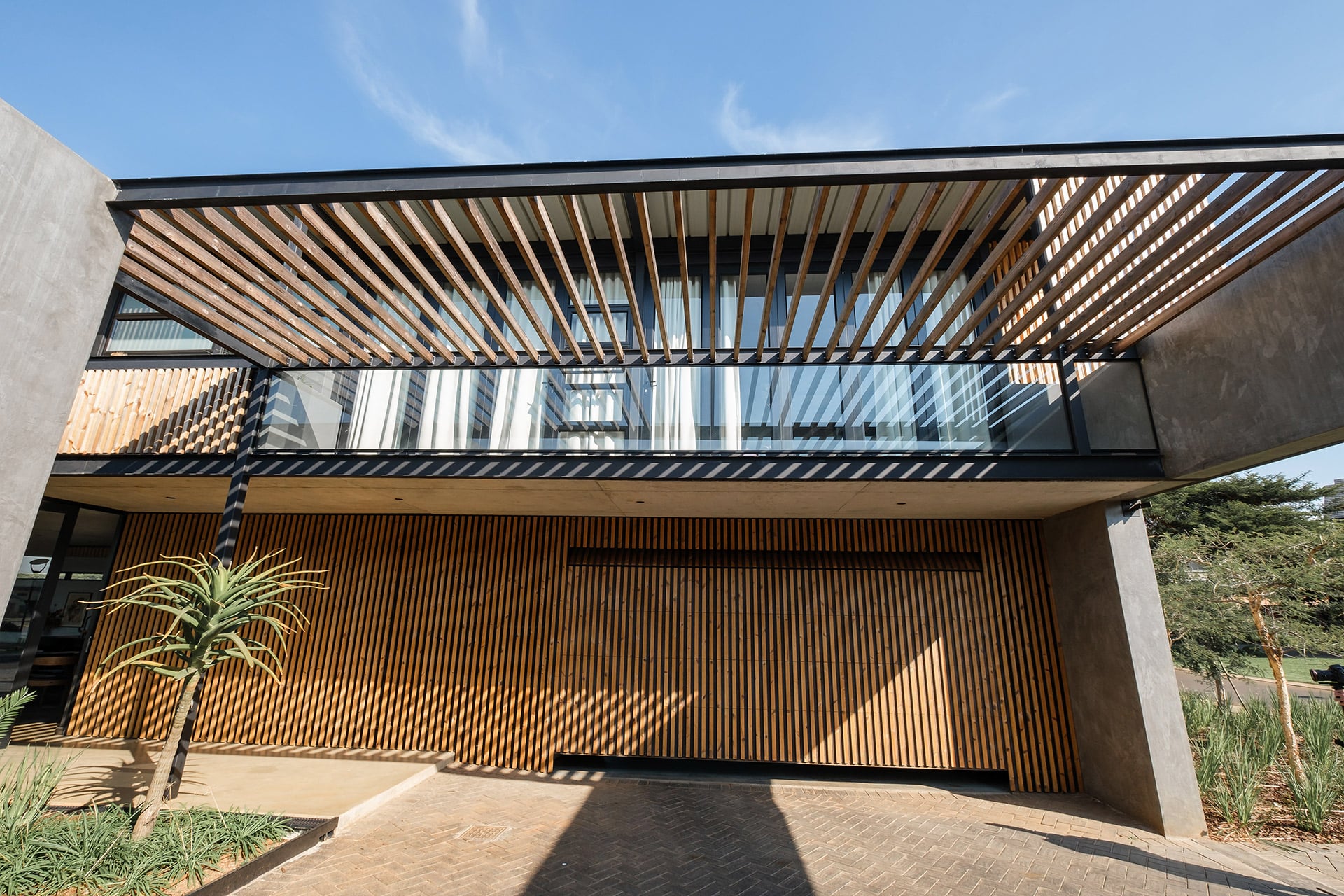
Why architects consider both wood and metal
Metal shading systems have traditionally been specified for commercial and institutional buildings because of their perceived durability and minimal maintenance.
Thermally modified wood has further expanded the possibilities for exterior shading applications by improving dimensional stability and durability while being lighter than untreated wood, all without chemical treatments.
For architects working in hot and humid climates, the choice often comes down to balancing performance, appearance, environmental impact, and lifecycle considerations.
ThermoWood® vs. Metal Solar Screens
| ThermoWood® | Metal | |
| Surface temperature in sunlight | Low surface temperatures | Can reach high surface temperatures |
| Service life | Over 30 years when properly installed | Long service life, depending on material |
| Dimensional stability | Excellent | Excellent |
| Resistance to weathering | Naturally resistant to decay | Depends on material and finish |
| Maintenance requirements | Low | Low |
| Weight | Lightweight | Varies by material; often heavier |
| Aesthetic character | Warm, natural appearance | Contemporary, industrial appearance |
| Design flexibility | High | High |
| Embodied carbon | Low | Higher, depending on material |
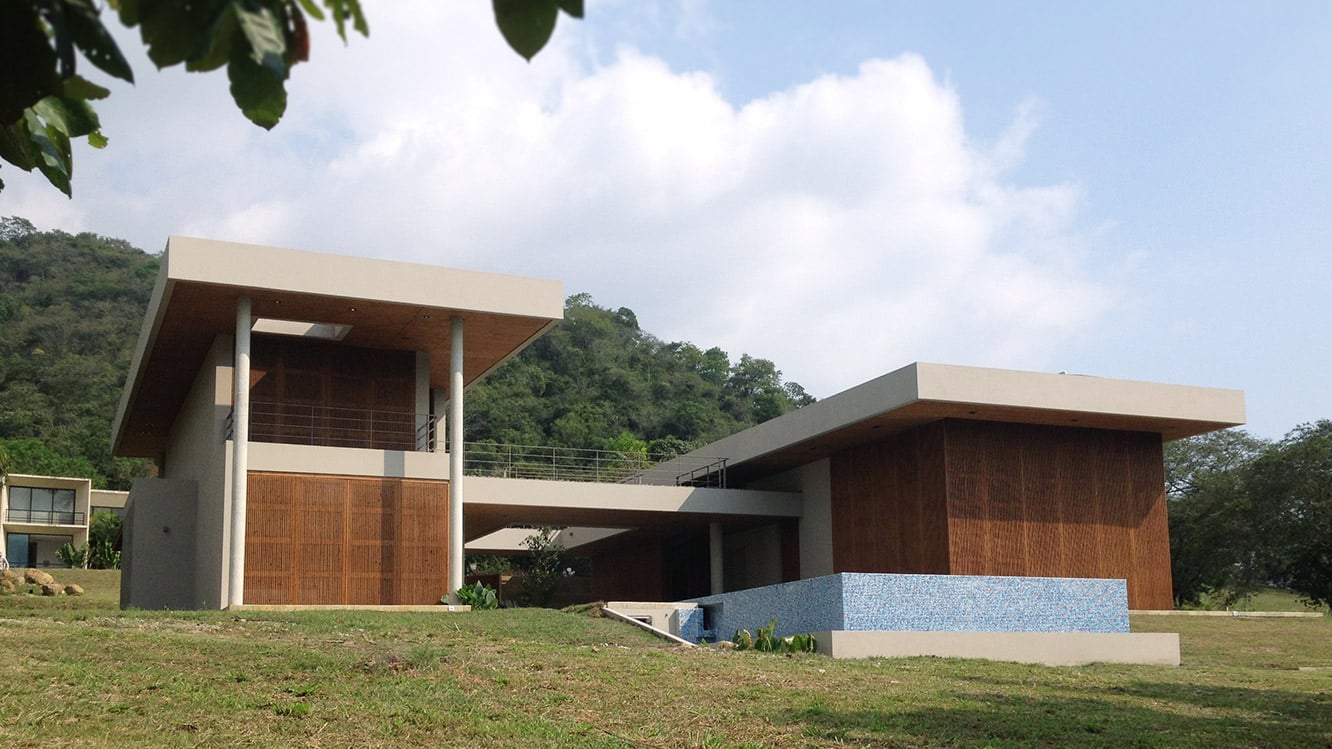
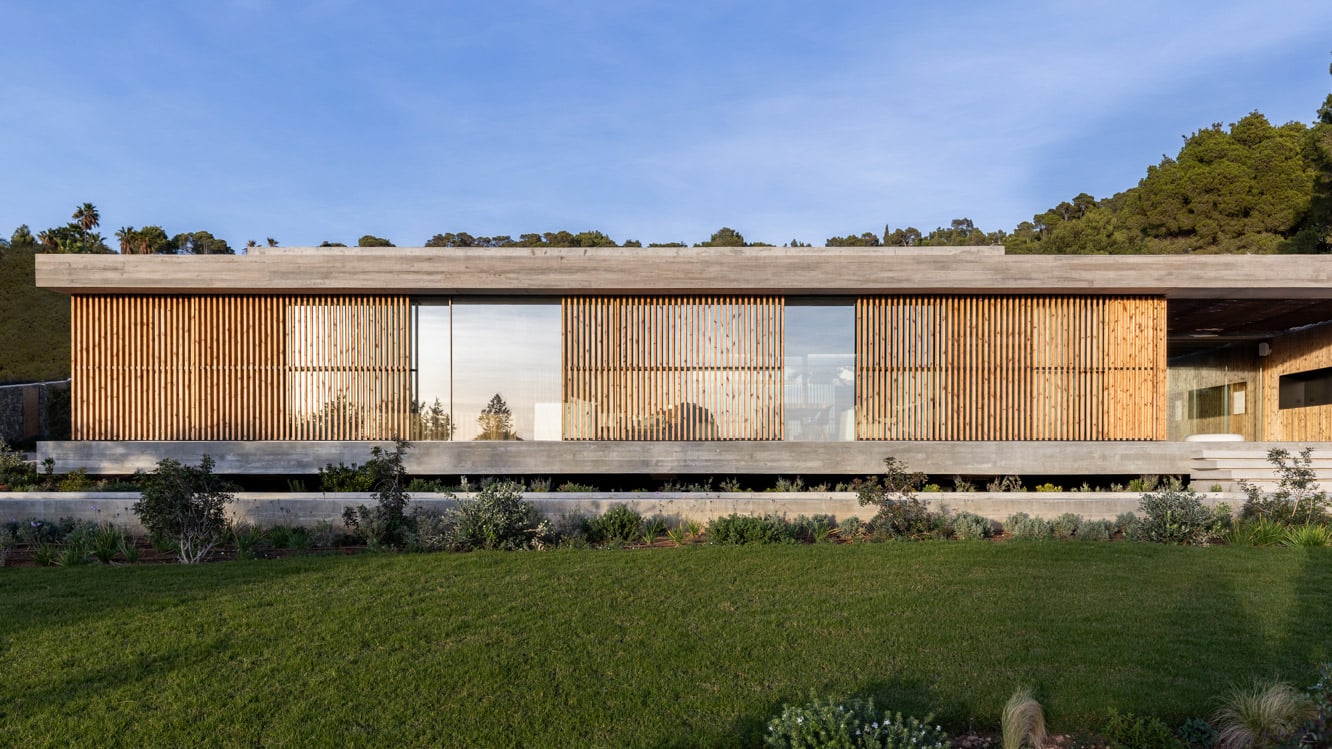
Project: Casa en Condominio Payande, Colombia
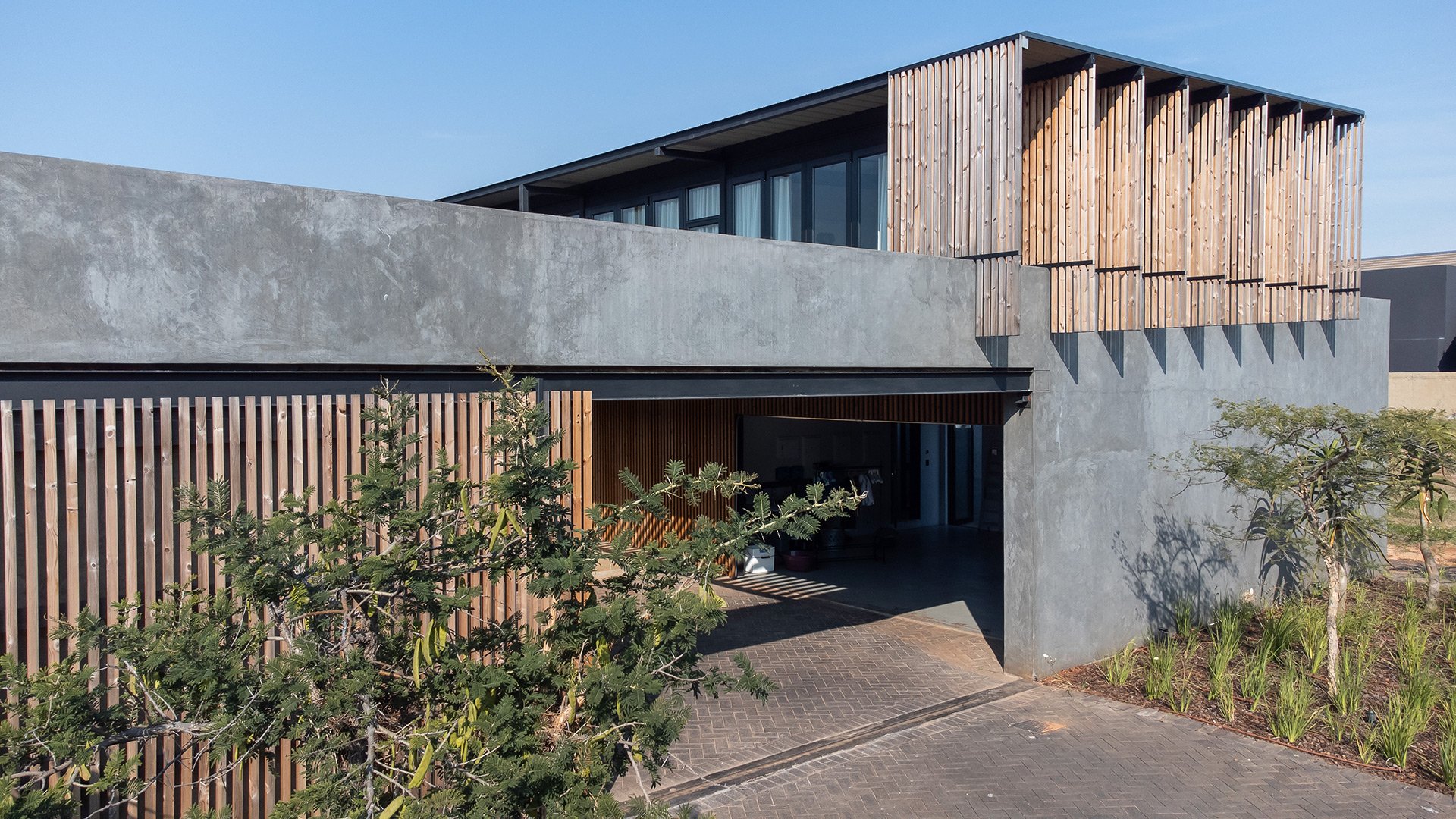
A good example of climate-responsive solar shading can be found in Casa en Condominio Payande in Colombia.
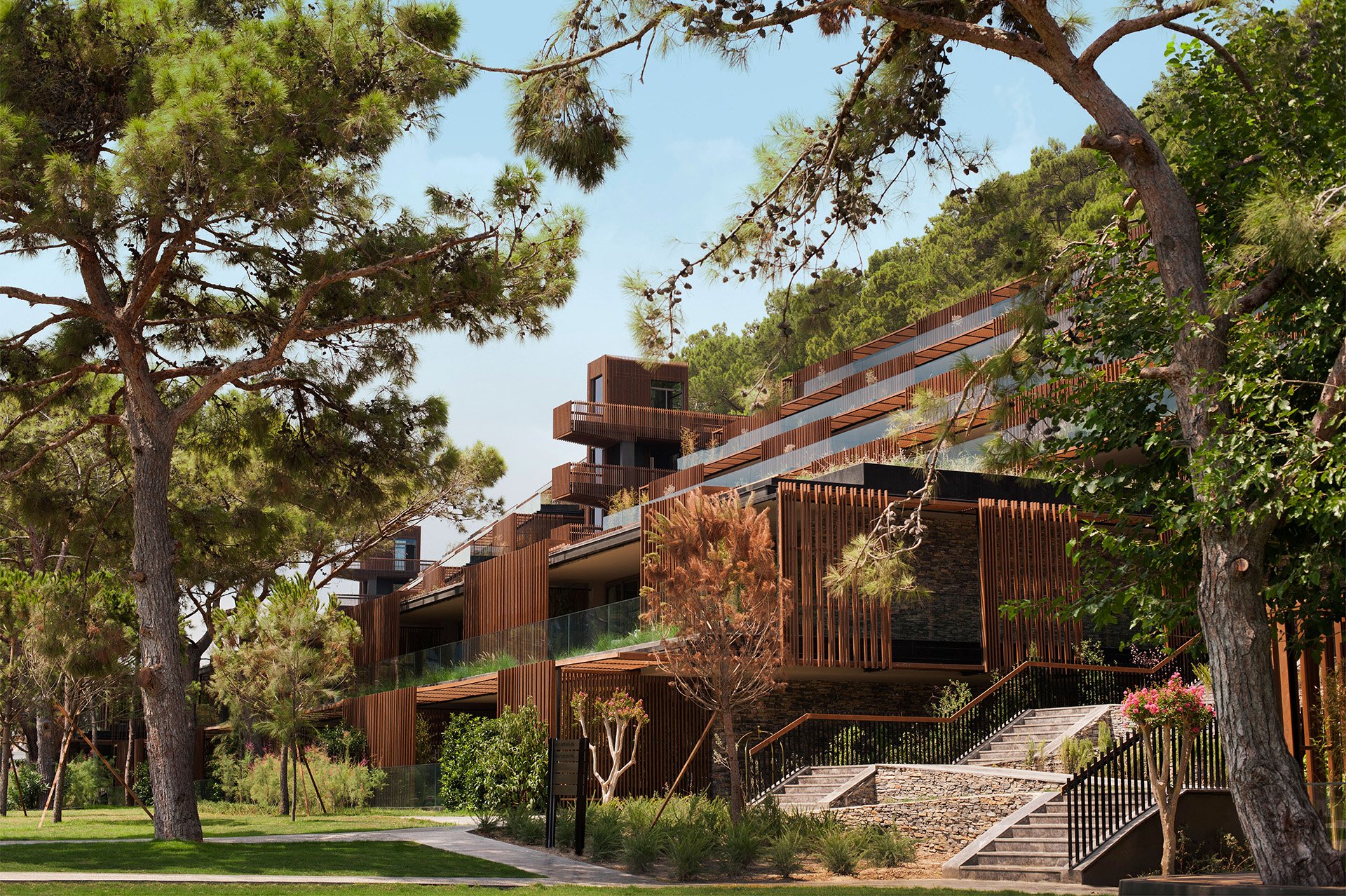
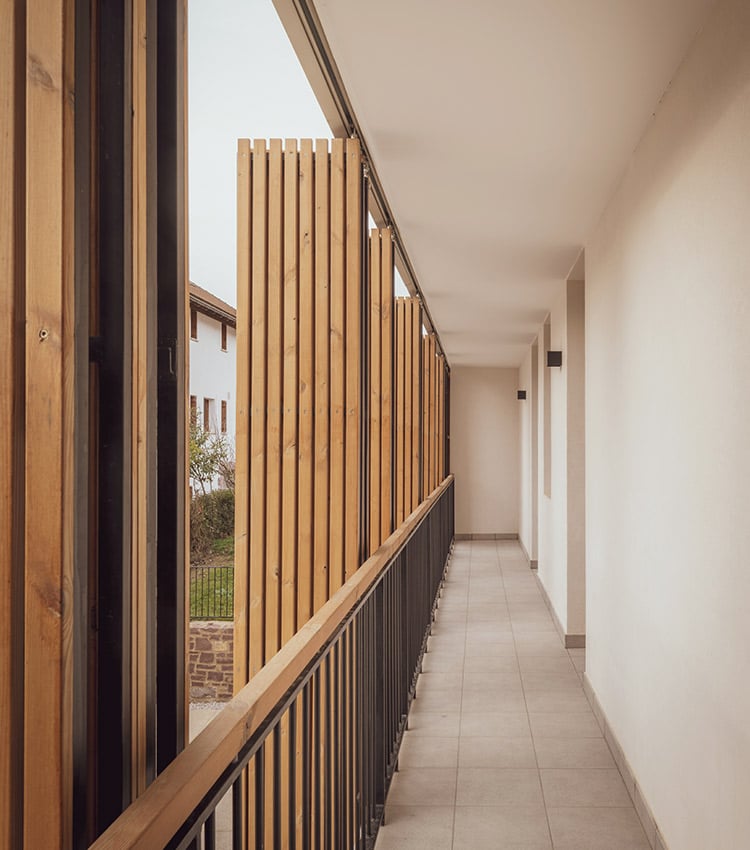
Located in a hot climate, the project incorporates Lunawood ThermoWood® battens as exterior solar screens that help reduce direct solar exposure while preserving airflow and visual connection to the surroundings.
The natural wood façade creates a softer architectural expression while delivering long-term durability in demanding outdoor conditions.
Sustainability: Carbon storage and embodied carbon
Material selection plays a significant role in a building’s embodied carbon footprint.
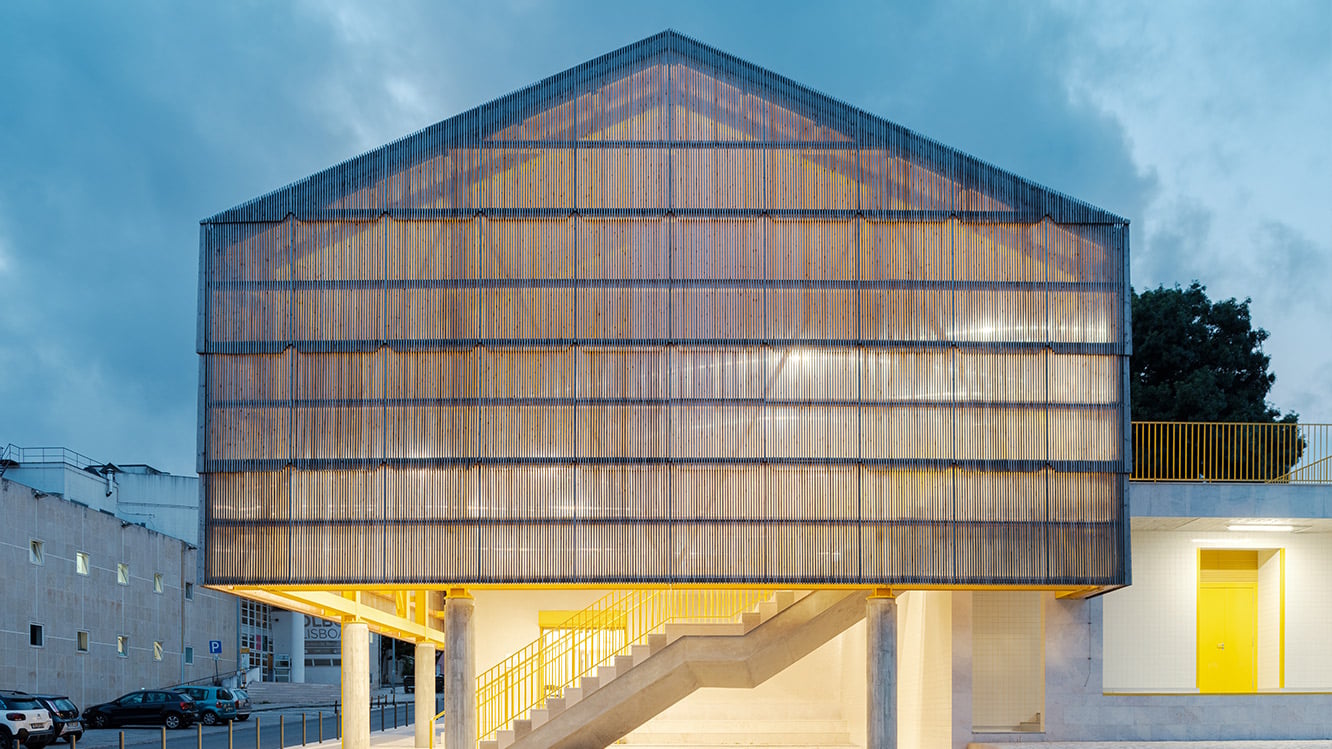
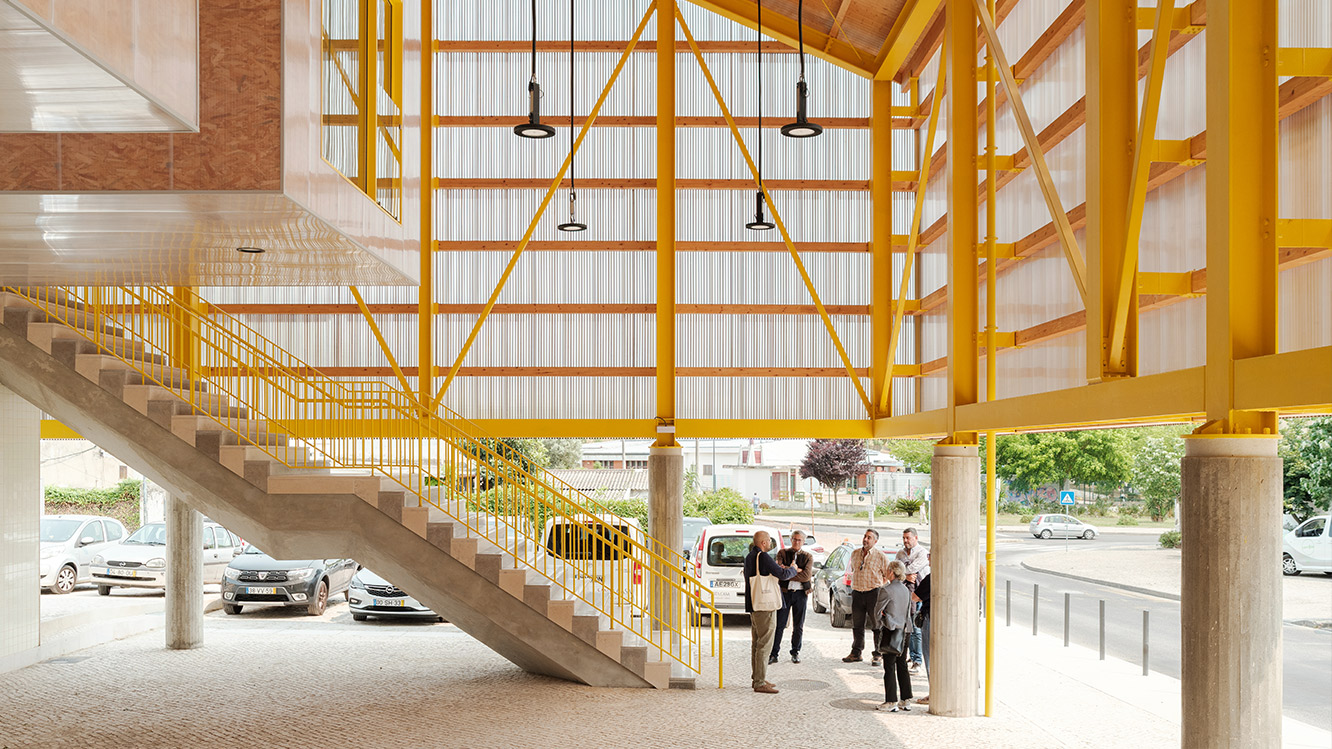
Wood products store carbon absorbed from the atmosphere during tree growth and continue storing it throughout their service life. According to Lunawood’s Environmental Product Declarations (EPDs), Lunawood ThermoWood® stores five times more carbon than is emitted during its manufacturing process.
Produced using only heat and steam, without added chemicals, Lunawood ThermoWood® offers architects a durable and renewable material solution for solar shading applications.
For projects pursuing sustainability targets, solar screens made from ThermoWood® can contribute to lower embodied carbon while supporting passive solar control strategies that help improve building performance.
→ Learn more about the sustainability of Lunawood ThermoWood®
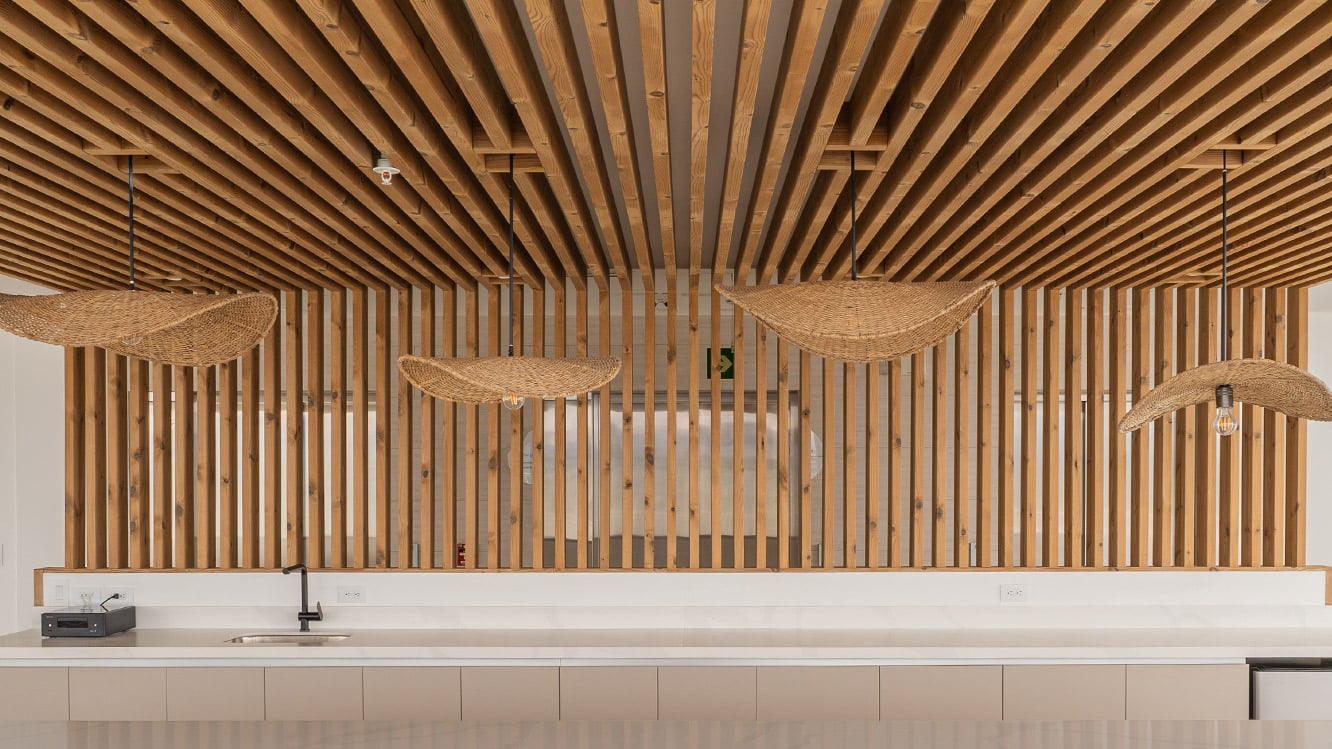
Why architects choose Lunawood ThermoWood® for solar screens
Architects designing for hot climates increasingly seek materials that combine performance, durability, sustainability, and architectural quality.
Lunawood ThermoWood® solar screens help:
- Reduce solar heat gain
- Improve occupant comfort
- Maintain natural ventilation
- Deliver long-term durability
- Support low-carbon design goals
- Create warm and timeless architectural aesthetics
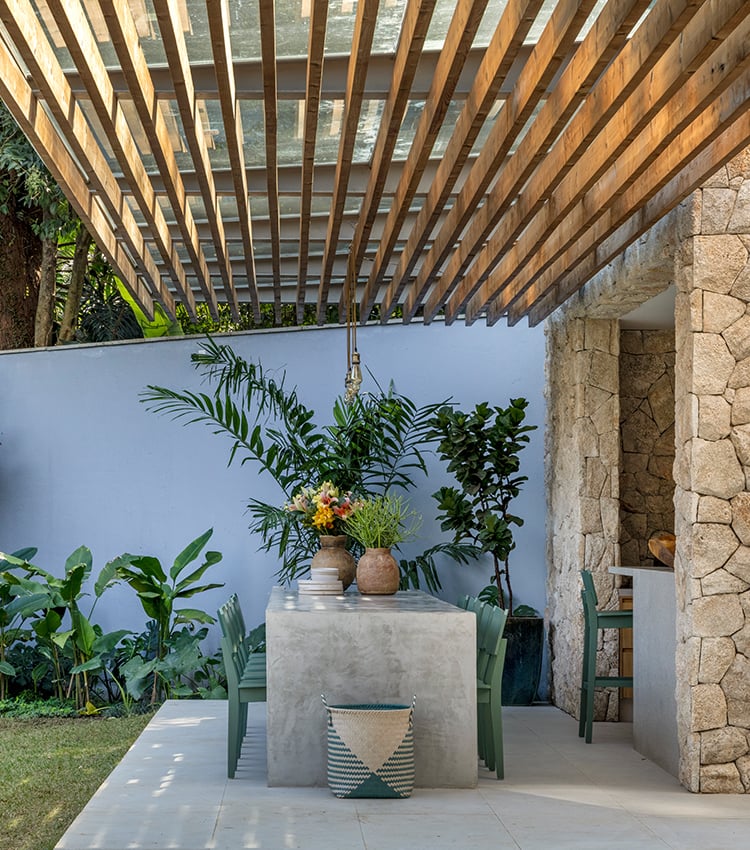
Order a free sample box
Discover how Lunawood ThermoWood® performs in solar screen applications.
Explore Lunawood ThermoWood® battens
Browse product options for solar screens, façades and outdoor structures.
Contact our experts
Discuss your next solar shading project with the Lunawood team and official resellers.